A Succession of Defaults
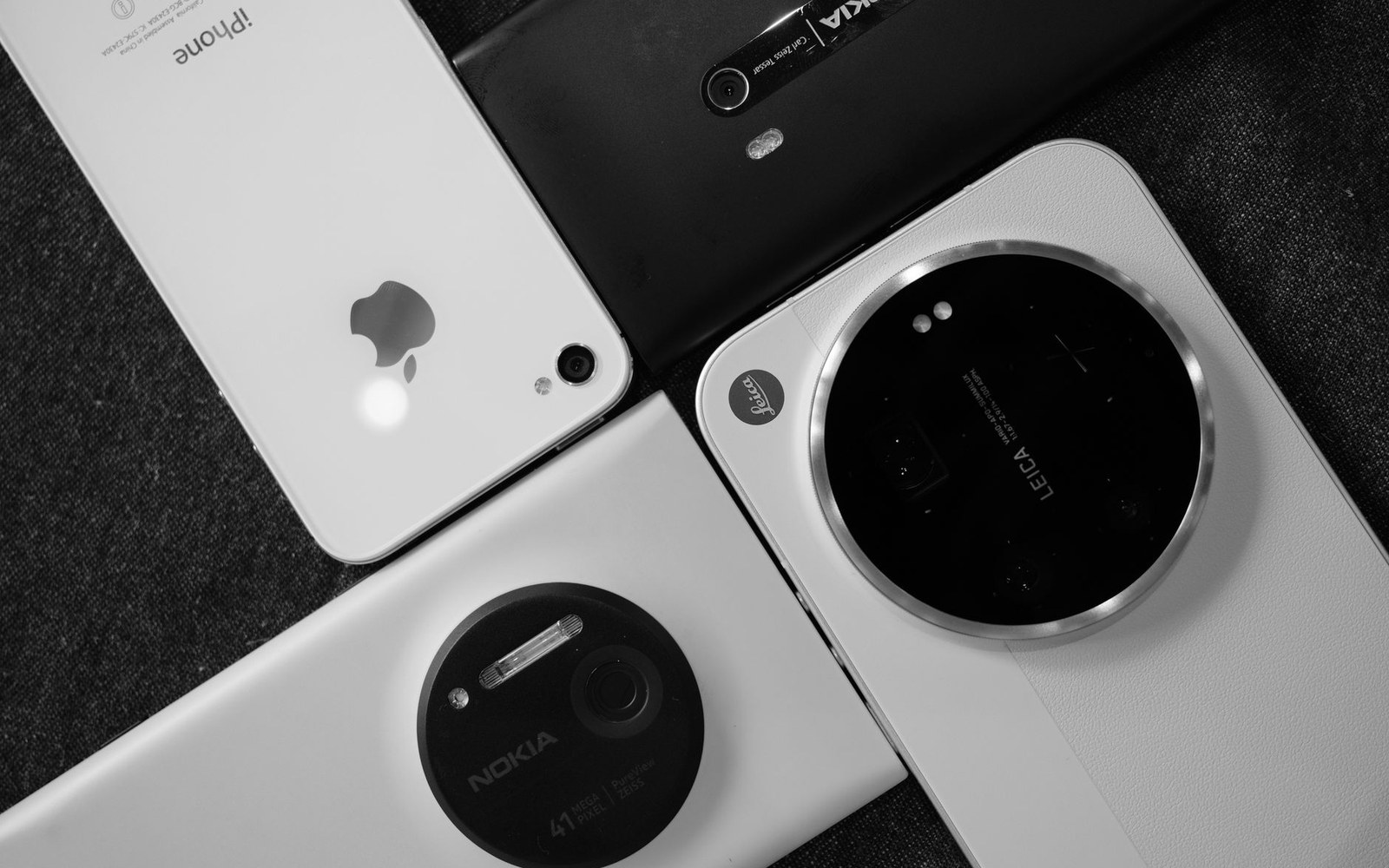
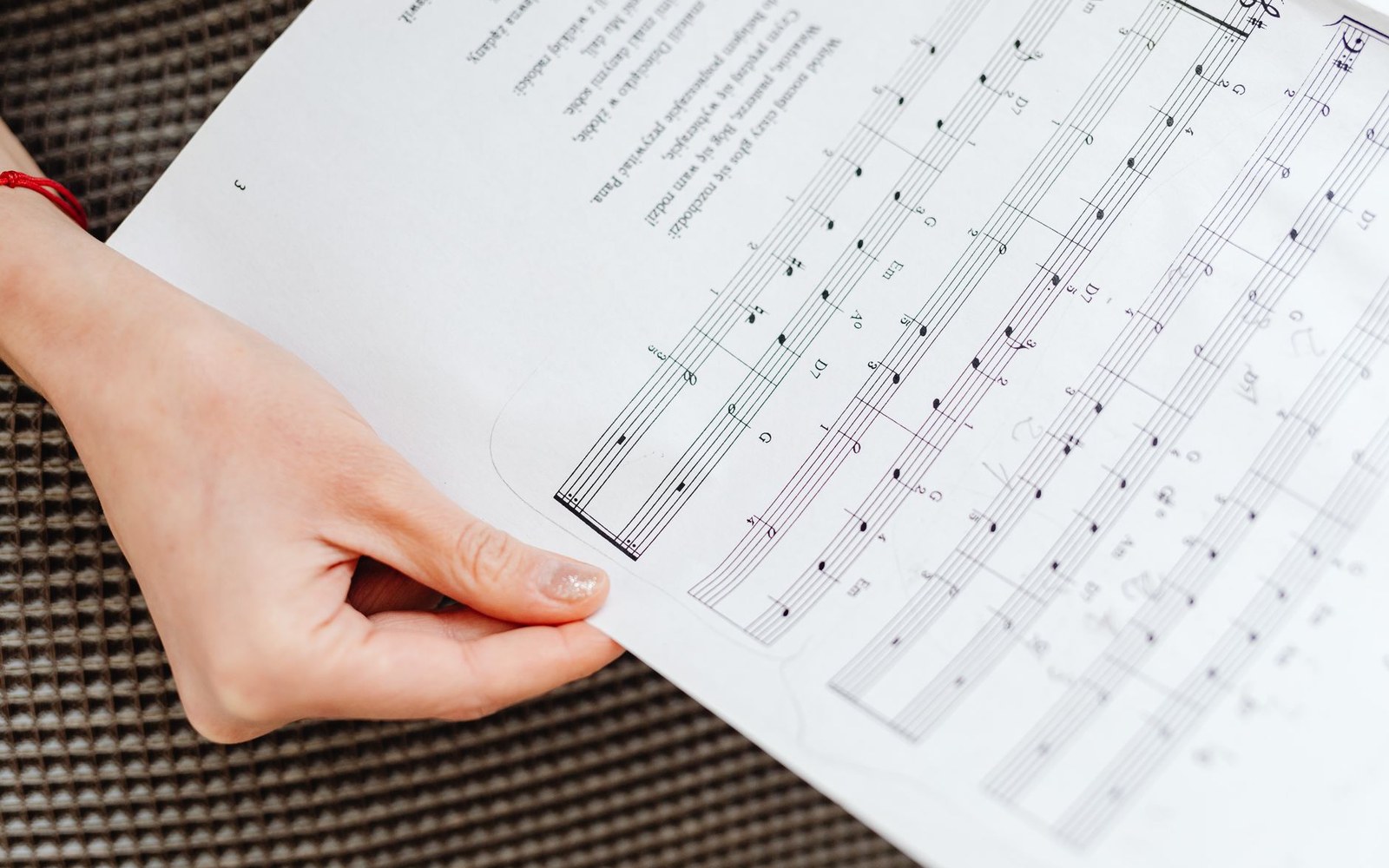
When the Nokia 2110 shipped in 1994, it carried a four-bar fragment of Francisco Tárrega's 1902 guitar piece Gran Vals and, without any particular intention, gave the decade a shared sonic signature. By the mid-2000s, the Nokia tune was the most recognised short melody on earth — a fact produced not by marketing but by market dominance. Nokia held roughly 40 percent of global handset sales at its peak, and every phone it sold rang the same way out of the box.
Marimba arrived on 29 June 2007, the day Apple began selling the first iPhone in the United States. It was not adapted from an existing composition. It was an original piece, built from a sampled marimba loop — bright, wooden, percussive, unmistakably mid-2000s in its production aesthetic. Apple credited it to no named composer in its initial release materials; it appeared as part of the iPhone's factory tone set alongside Xylophone, Opening and a handful of others, all cut from the same cloth of tuned-percussion warmth. Marimba was the factory default, which is all it needed to be.
The cultural mechanics were identical to 1994. A single manufacturer achieved sudden, enormous market penetration — Apple sold 6.1 million first-generation iPhones ↗ in the device's first full year — and every one of those devices produced the same sound when a call came in. Offices, cafés, cinema foyers and public transport acquired a new shared alert. People reached for pockets that were not theirs. Marimba did not require a hit record or a television campaign; it required only ubiquity, and ubiquity came with the product.
Chronology
- 1902Francisco Tárrega composes Gran Vals, the source of the Nokia tune's four-bar fragment
- 1994Nokia 2110 ships; the Nokia tune becomes the world's dominant default ringtone
- 2006Global ringtone market estimated at approximately $4 billion peak (Gartner)
- 29 June 2007First iPhone goes on sale in the US; Marimba is the factory default
- July 2008App Store opens, accelerating custom-tone adoption and reducing default lock-in
- iPhone 4 generation (2010–11)Marimba remains the factory default, even as custom tones become commonplace
Why the Comparison Holds, and Where It Breaks
The Nokia tune and Marimba share a structural role — manufacturer-installed default, present from first boot, requiring no user action — but their surrounding contexts were radically different, and that difference explains why Marimba could not hold the position as long.
The Nokia tune operated inside a relatively closed system. Changing a Nokia ringtone in the late 1990s meant navigating a menu, composing or downloading a replacement, and paying for the privilege if you wanted a commercial track — a friction that kept millions of handsets on their default. The entire paid ringtone industry, worth an estimated $4 billion globally at its 2006 peak according to Gartner figures cited that year, was partly built on that friction: people bought custom tones to escape the default, but a significant proportion simply stayed on it.
The first iPhone arrived without a ringtone maker, with custom iTunes ringtones following later in 2007, and it arrived into a smartphone market that would, within three years, give users access to any audio file as a tone with minimal effort. The App Store, which opened in July 2008, accelerated this further. The consequence was a far shorter window during which any single default could impose itself as a cultural constant. Marimba's reign as an instantly recognisable public sound lasted roughly two to four years — genuine ubiquity by any reasonable measure, but compressed compared to the Nokia tune's decade-long dominance.
There is also a market-structure explanation. The Nokia tune spread because Nokia was, for a time, close to a monoculture. The smartphone era that Marimba inhabited became, very quickly, a two-platform market — iOS and Android — with Android fragmenting further across Samsung, HTC, LG, Sony Ericsson and others, each shipping its own defaults. No single tone could achieve the saturation the Nokia tune had reached, because no single manufacturer could achieve Nokia's former share in a market that had reorganised around competing ecosystems.
The consequence was a far shorter window during which any single default could impose itself as a cultural constant.
The Position Has Been Vacant Since
After Marimba, no manufactured default has crossed into general cultural recognition in the same way. Android's default tones have changed with each major release and vary by manufacturer. Apple has retired and rotated its own set; Marimba remains available in iOS settings but has not been the factory default since iOS 7. The throne, as a concept, depended on monoculture. Marimba was the last tone to sit on it, and it sat there briefly — long enough for a generation to share the same moment of reaching for the wrong pocket, not long enough to last a decade.
The ringtone as a culturally universal signal turned out to require exactly the conditions that produced it: a single dominant manufacturer, limited customisation and a user base with nowhere else to go.
Two defaults side by side
- Nokia tune — source: Tárrega's Gran Vals (1902); format: monophonic MIDI melody; duration of cultural dominance: roughly 1994–2007
- Marimba — source: original Apple composition; format: sampled marimba audio; duration of cultural dominance: roughly 2007–2011
- Key difference: the Nokia tune's reign was sustained by handset monoculture; Marimba's was curtailed by platform fragmentation and low-friction customisation