



DIALARING

A reference on the ringtone: the sounds, the phones and the twenty years they sold.

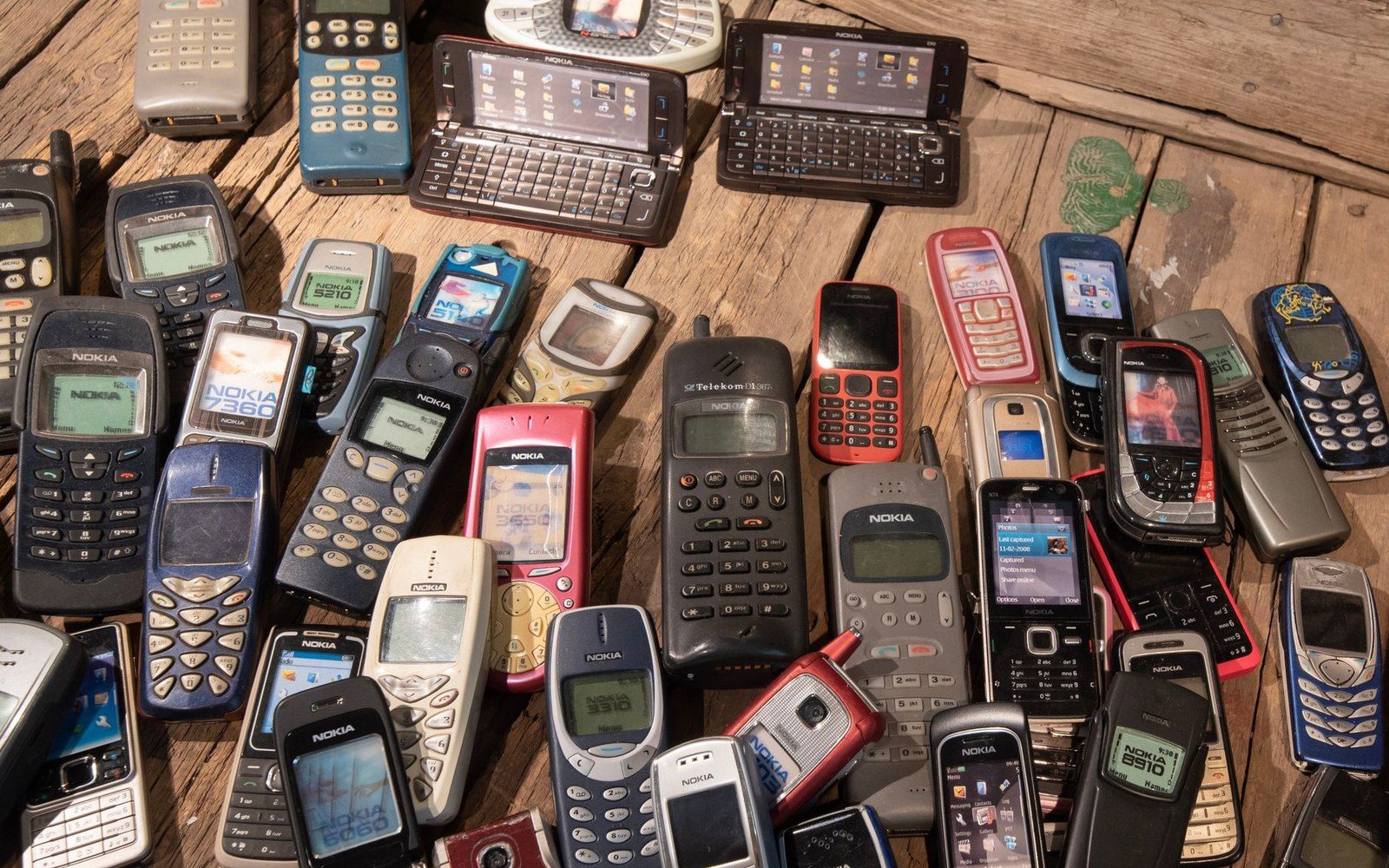
A row of 2000s mobile handsets on a shelf, raking light

Photo: Gylfi Gylfason / Pexels

Francisco Tárrega wrote Gran Vals for solo guitar in 1902. Nokia took four bars of it, called the result the Nokia tune, and shipped it on the 2110 in 1994. It became the most heard piece of music in the world for roughly a decade.

The handsets, one shelf at a time

All 6 handsets
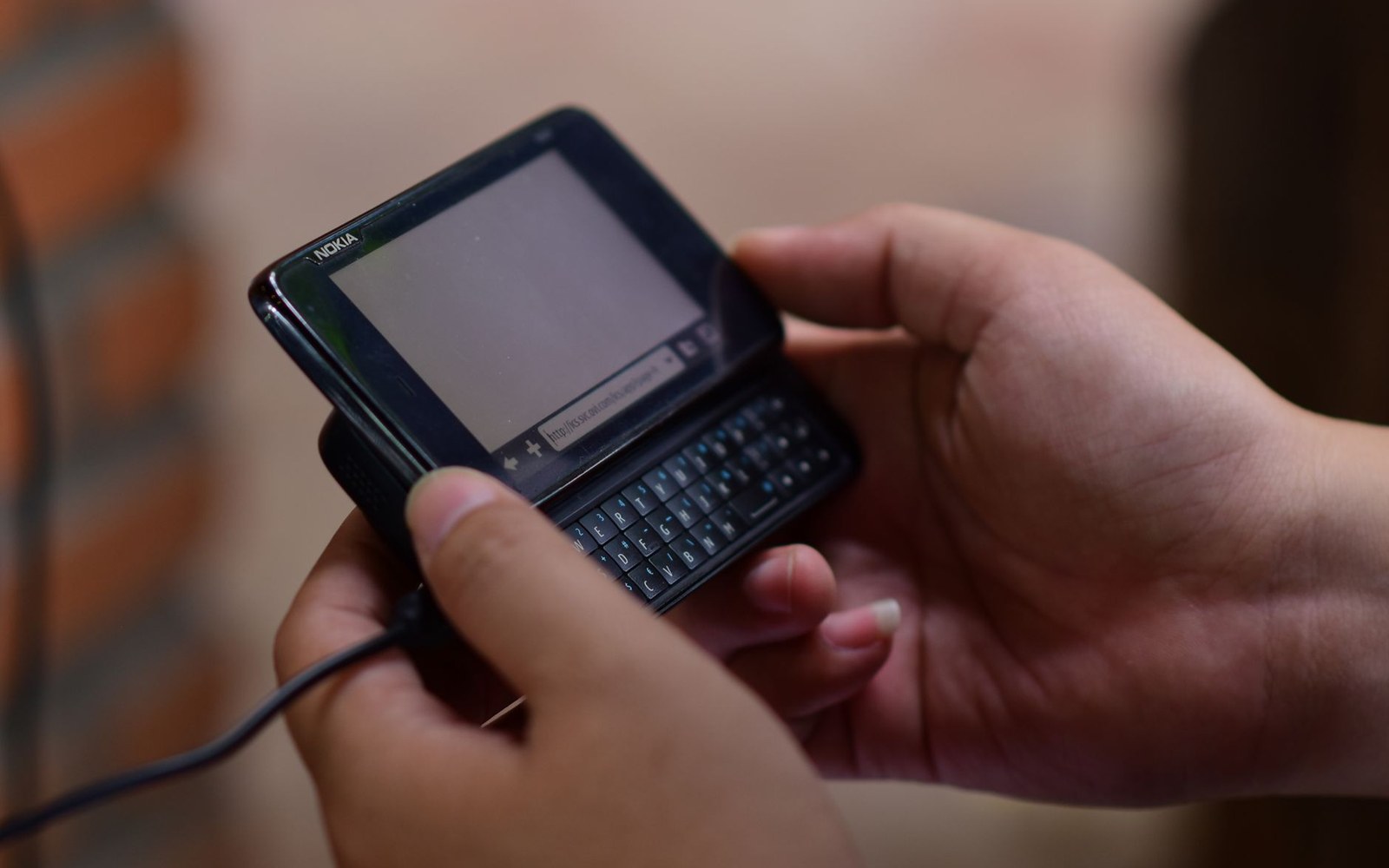
A QWERTY-keyboard handset face-up, screen lit
Composer gave three octaves and a text field. Tunes travelled as RTTTL strings inside ordinary text messages. Photo: JÉSHOOTS / Pexels
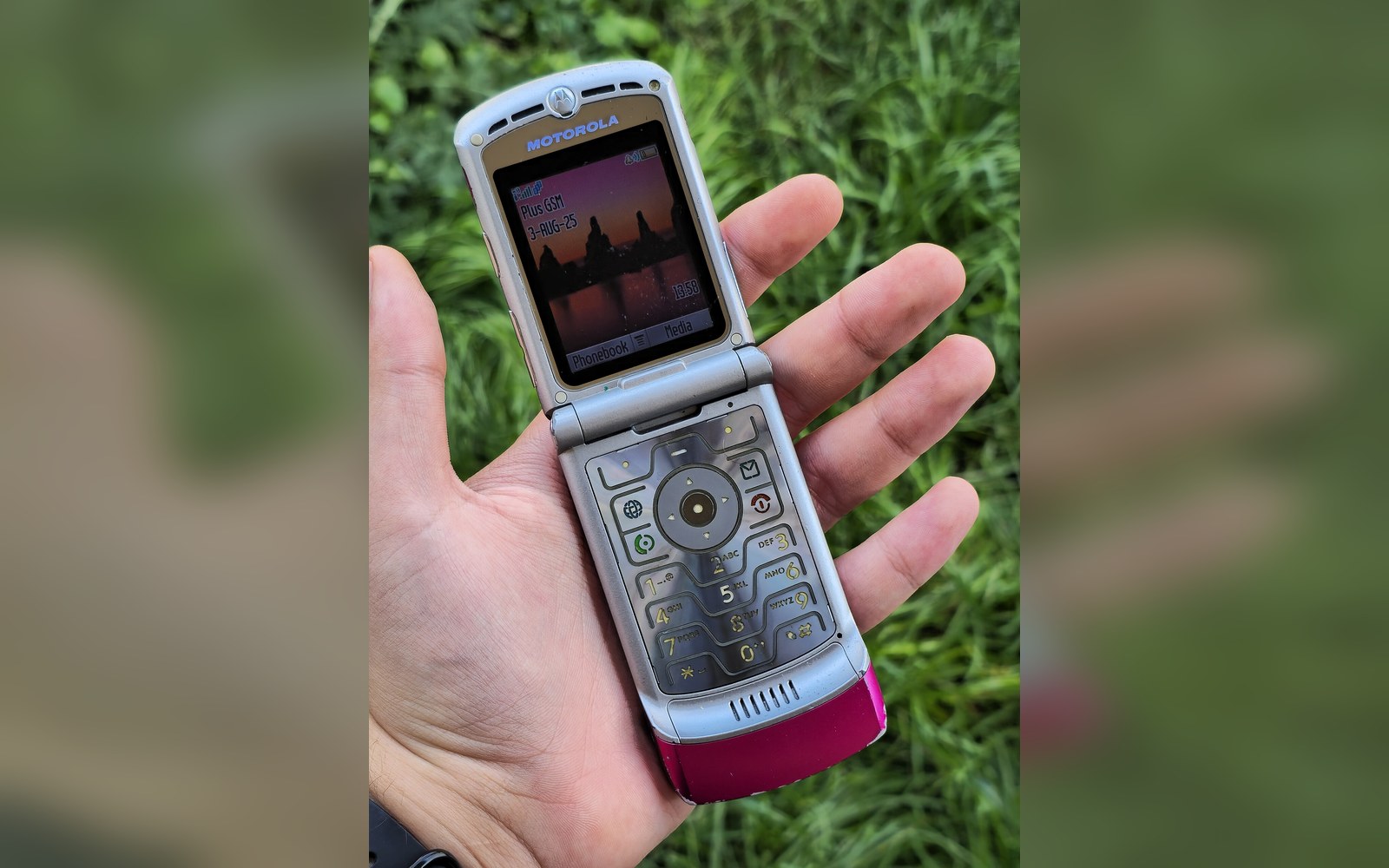
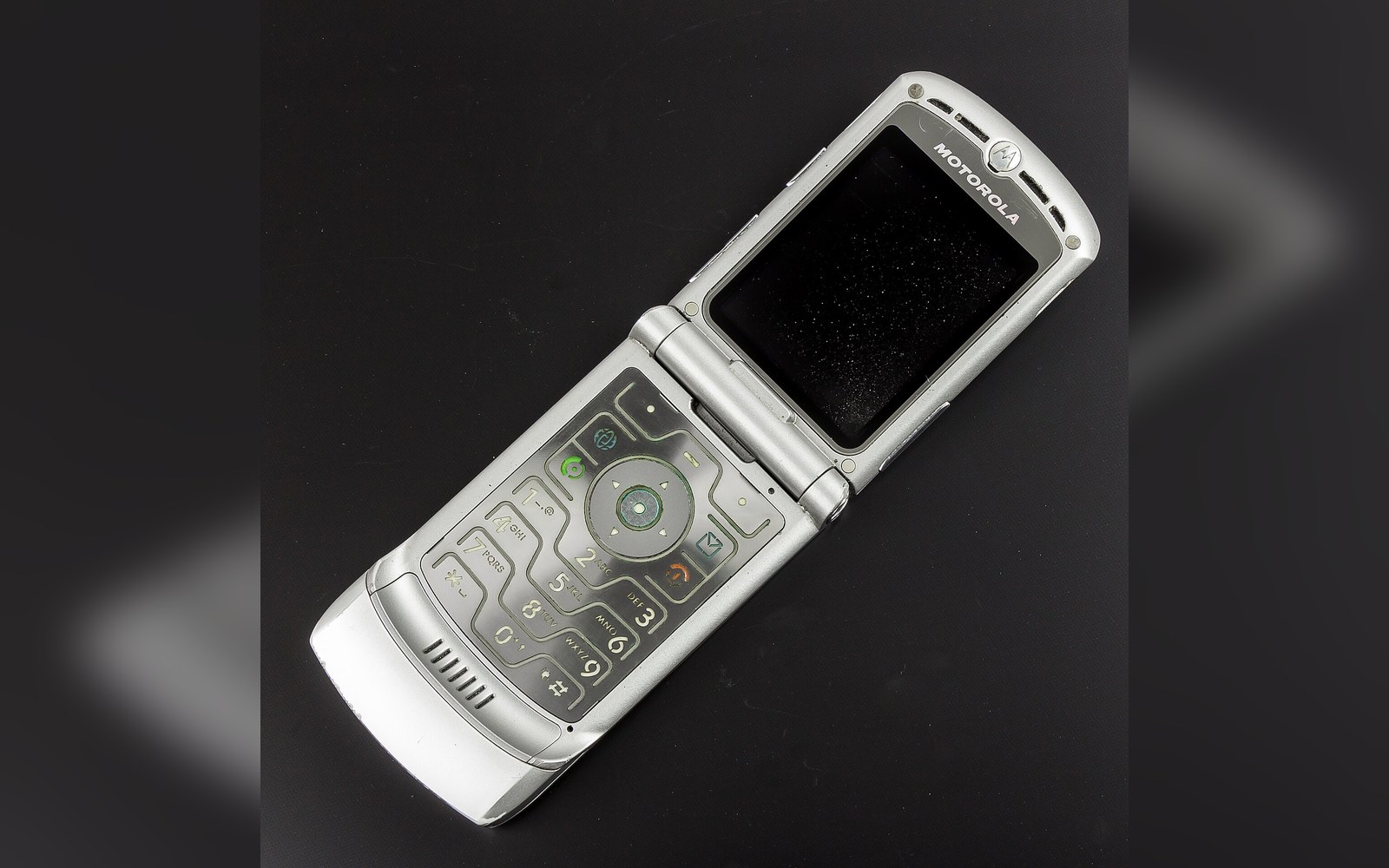
A clamshell-era handset on a café table, an adult’s hand reaching toward it
By 2004 polyphonic playback was standard, and “Hello Moto” sat where a tone used to be. Photo: Wikimedia Commons
Six handsets, in order of what their speakers could do
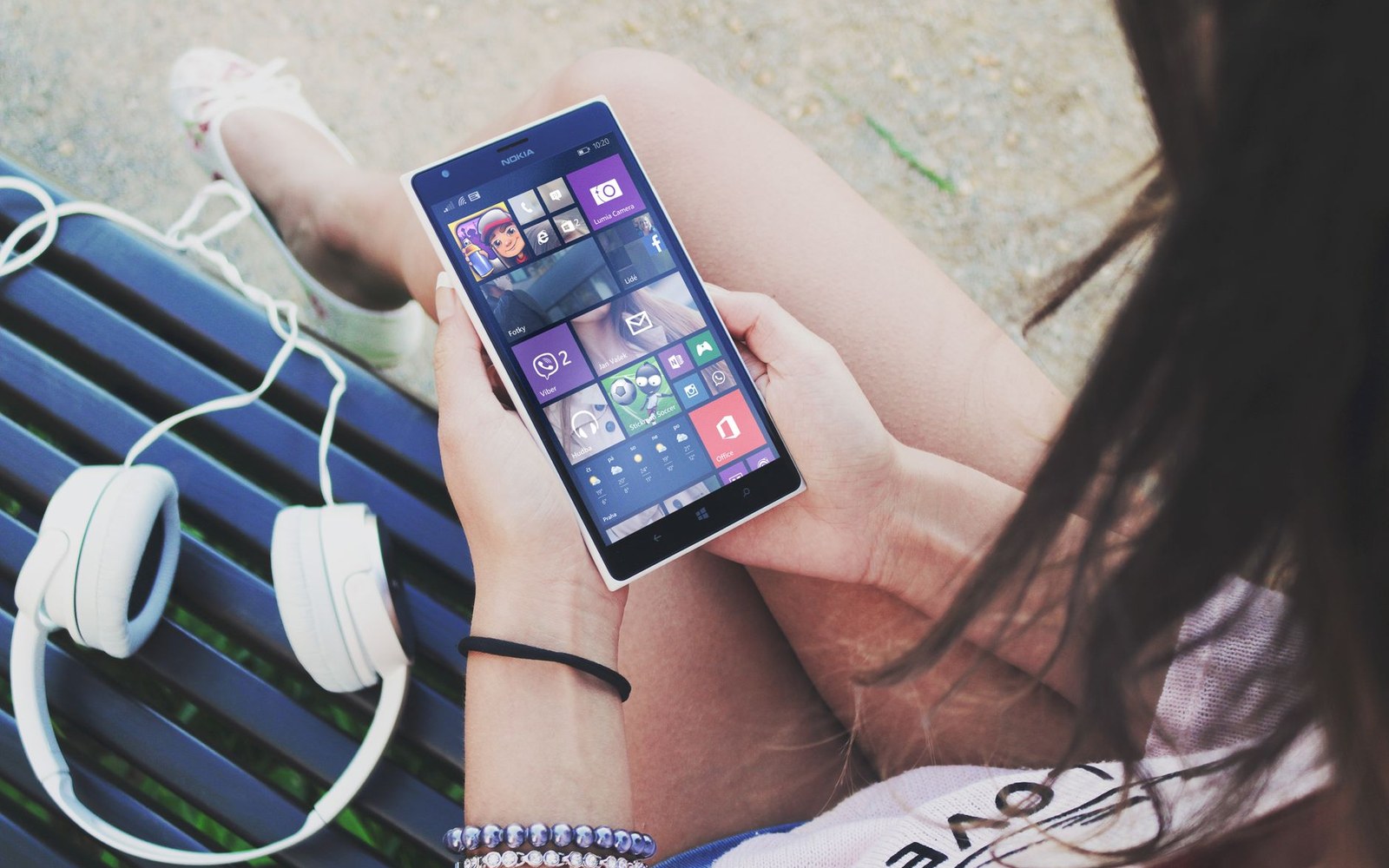
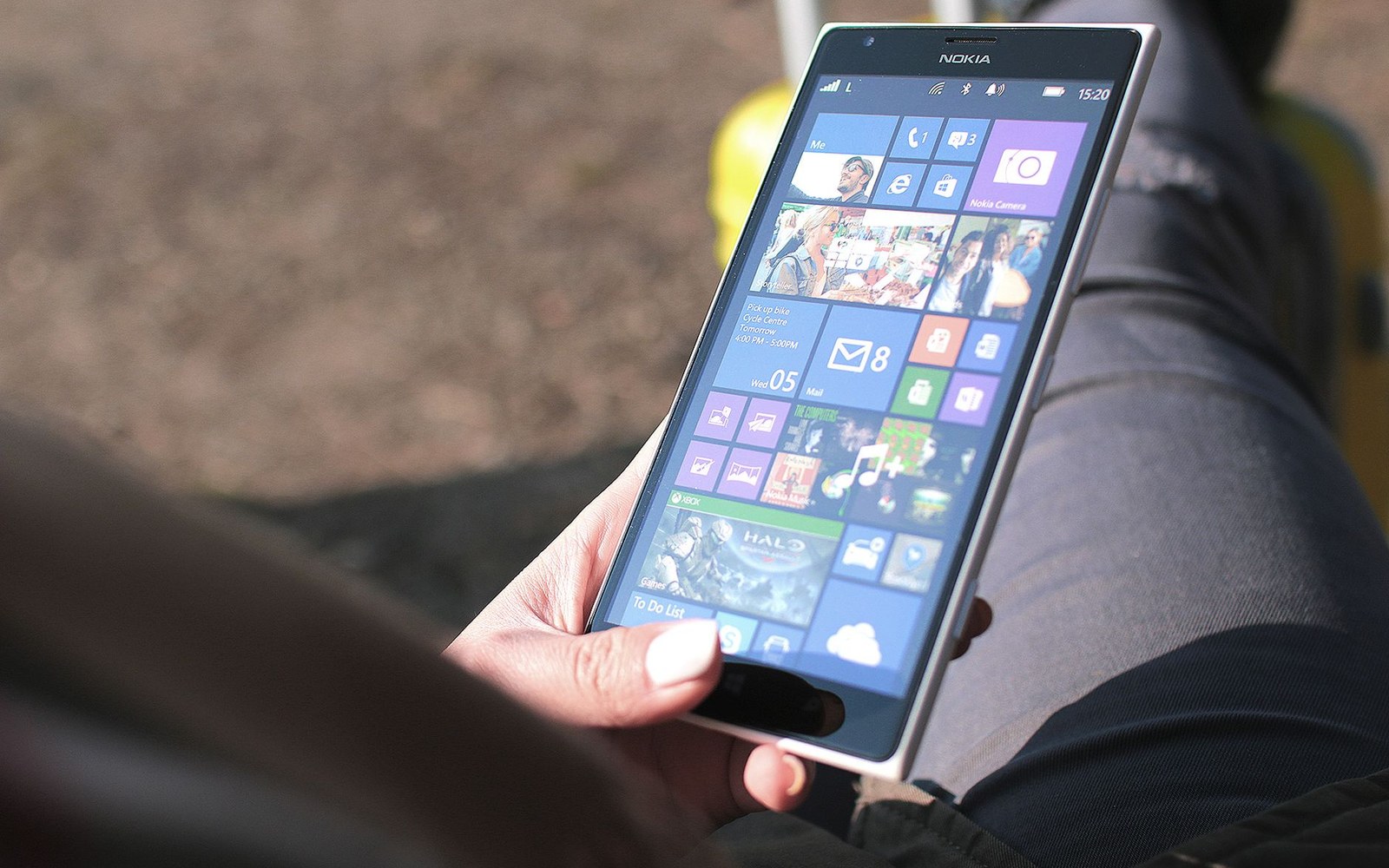
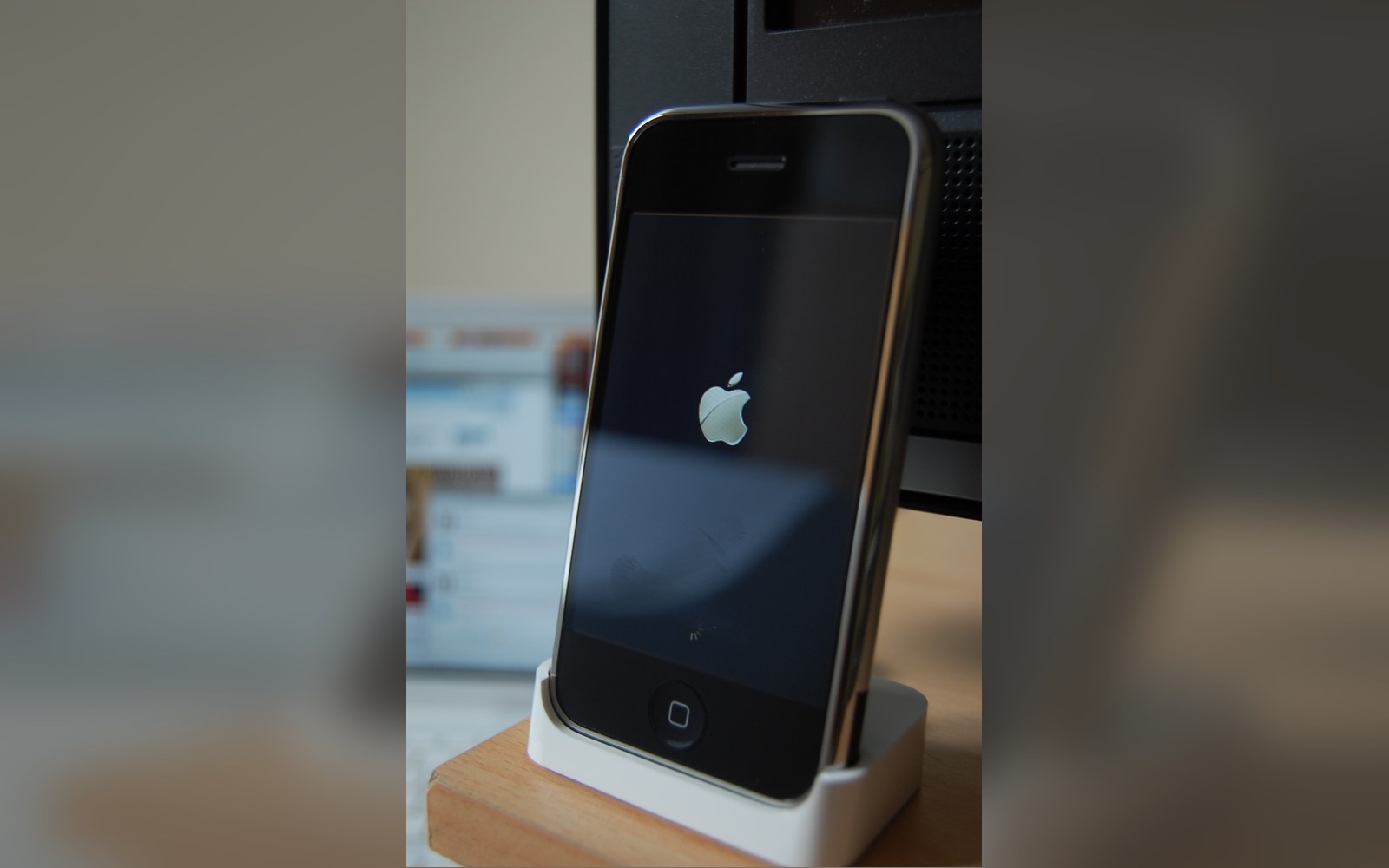
A modern touchscreen handset, photographed in place of the 1994 modelThe 2110 and the first monophonic ship
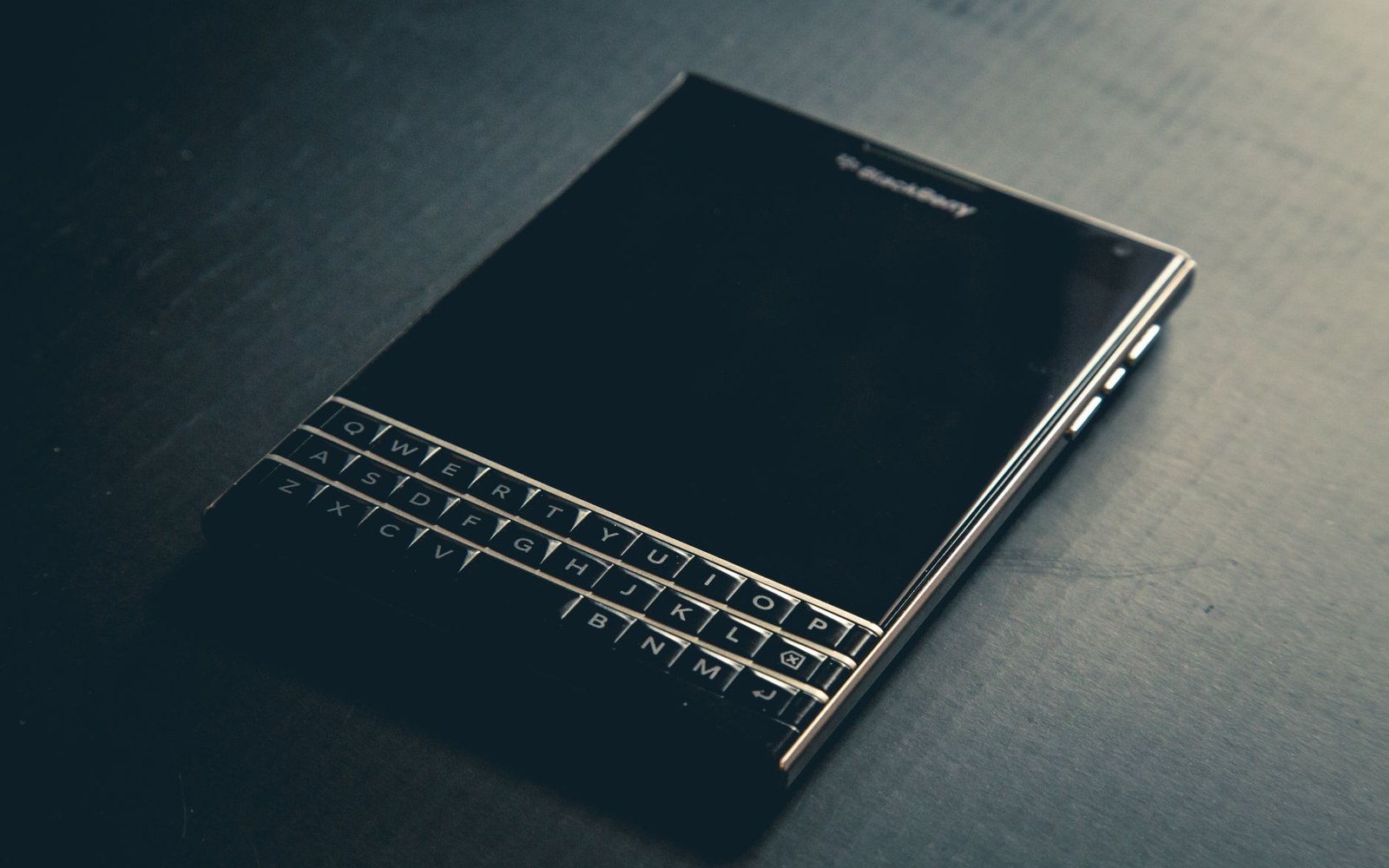
A QWERTY-keyboard handset face-up on a surfaceComposer, and the tune you typed
A slim clamshell-era handsetThe clamshell that sold on its shape
A desk with a mouse and pencilsThe ring nobody in the office noticed
A closed black notebook on a deskThe market that bought the most tones
A touchscreen phone held in one handMarimba, and the ringtone maker
A row of early-2000s mobile phones — Nokia, Sony Ericsson, BlackBerry — arranged on a shelf
Between the 2110 and the iPhone, the tone was a selling point printed on the box. Photo: Gylfi Gylfason / Pexels

Thirteen kilobytes of music

All 5 in Formats
Macro photograph of a Yamaha MA-3 audio chip on a circuit board
Yamaha’s MA-2 and MA-3 parts, with the SMAF format, gave handsets multiple simultaneous voices from 2000 onward. Photo: ClickerHappy / Pexels
A Tokyo tower block, photographed in place of an i-mode handset
Chaku-uta: Japan invented the paid download in 1999 Photo: Lana / Pexels
Four formats the tone was written in
A screen of source codeRTTTL text
A circuit board photographed close upSMAF Yamaha
A stack of portable MP3 playersTruetone MP3/AAC
The iOS Music app icon on a phone screenM4R Apple
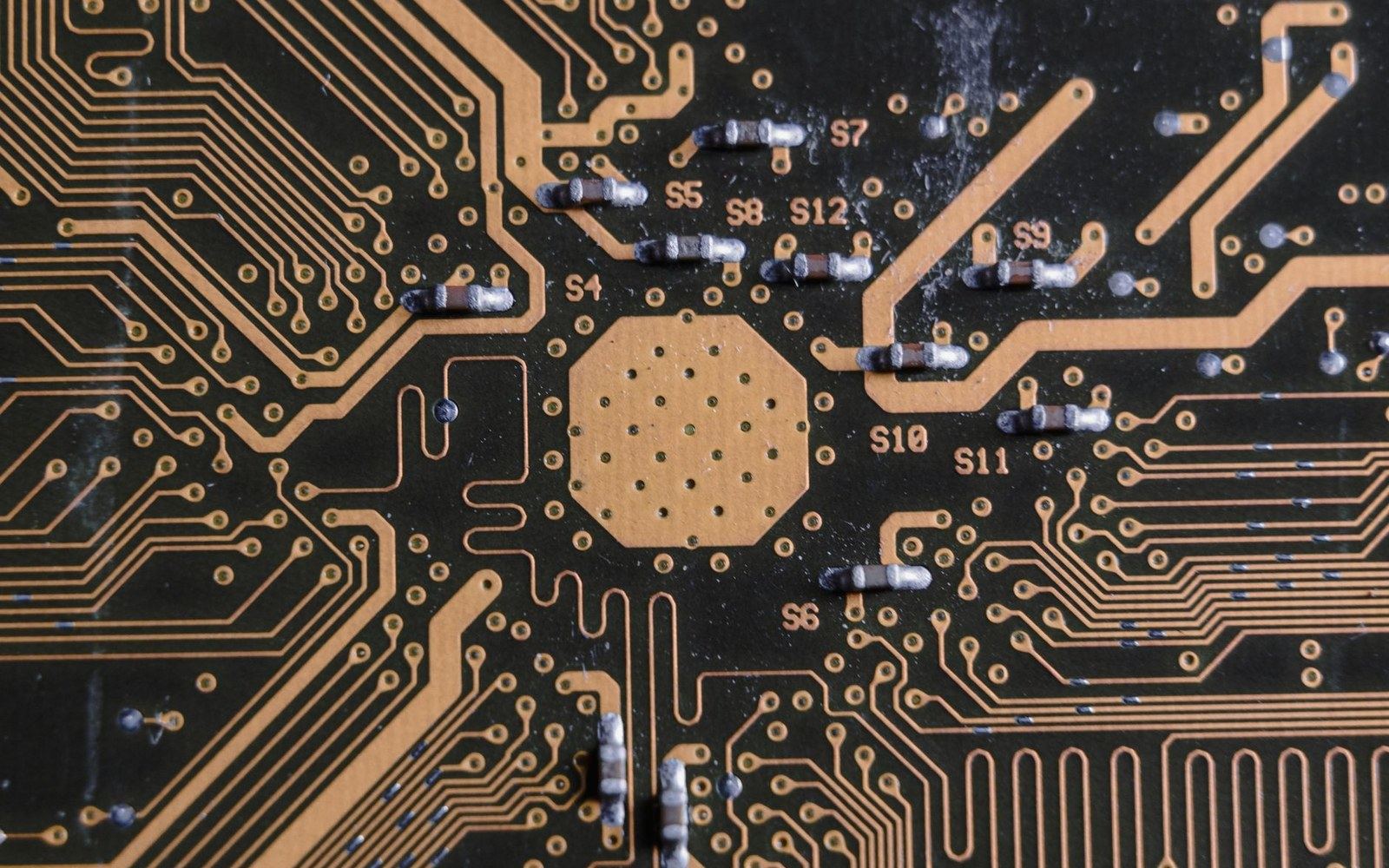
Electronic components on a workbench
The chip that made a phone sound like a band Photo: Tima Miroshnichenko / Pexels
Abstract imagery standing in for the 2005 single sleeve
Jamster’s Crazy Frog reached number one on the UK singles chart in June 2005, ahead of Coldplay’s Speed of Sound. Photo: Peter Dyllong / Pexels

The year a frog outsold everyone

Jamba, bought by VeriSign in 2004, advertised the tone on late-night television at a per-week subscription. UK regulator ICSTIS, later PhonepayPlus, ruled on the advertising in 2005. The subscription nobody meant to start · all 5 in The Charts


Then it stopped: 2008 to 2012

The iPhone shipped with a ringtone maker in iTunes and the paid tone lost its reason to exist. Every figure here is dated and attributed on the section page.

$4bnPeak annual global ringtone revenue, 2007, as cited by Gartner.
2004Billboard launches the Hot Ringtones chart; the RIAA begins certifying master ringtones in 2006.
A Billboard magazine page showing the Hot Ringtones chart
The numbers that recorded the quiet · all 4 in The DeclinePhoto: cottonbro studio / Pexels