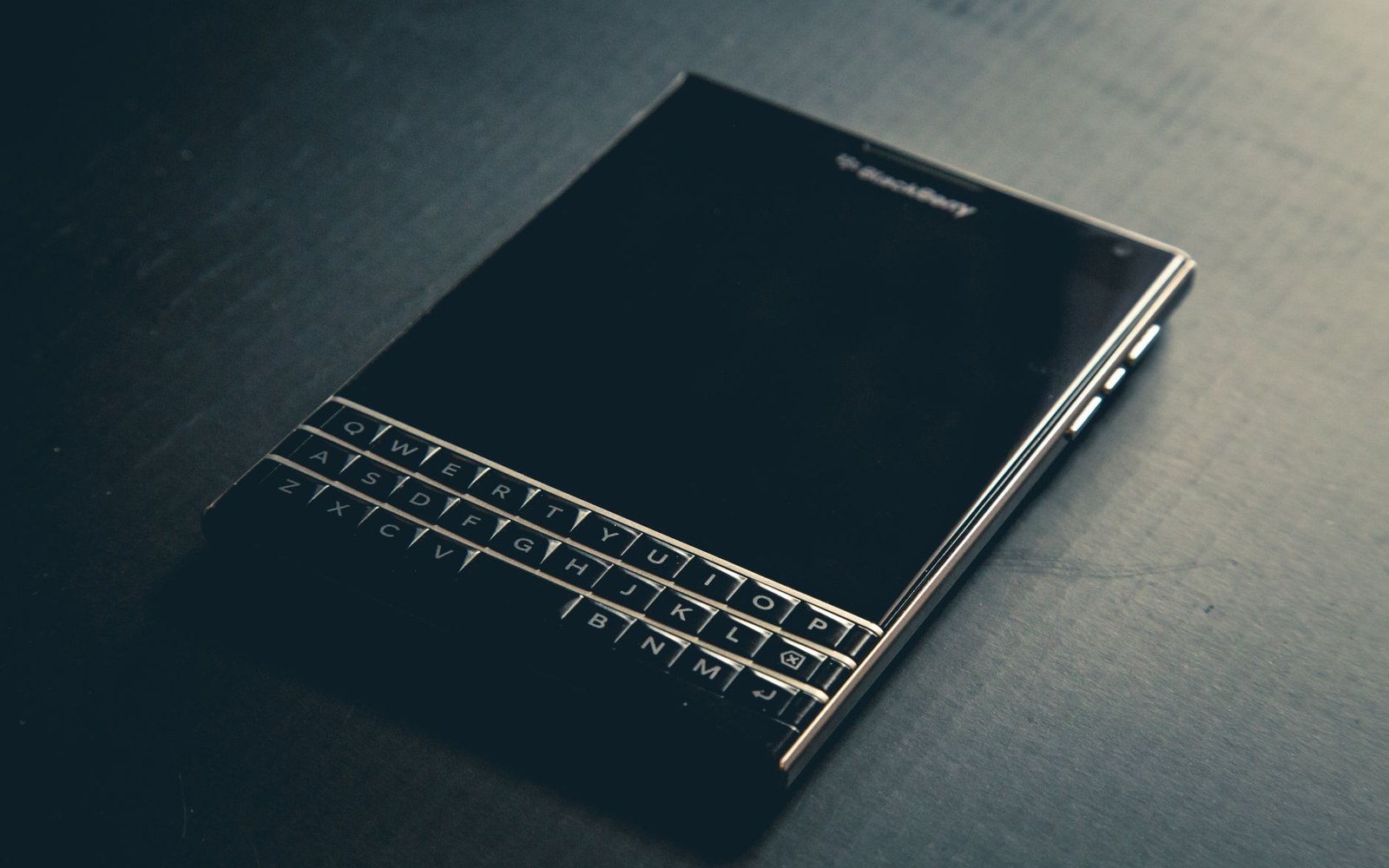
A Device Built for a Demographic, and an Industry That Noticed
Developed by Danger Inc. and sold through T-Mobile from 2002, the Sidekick distinguished itself with a swivelling screen, a full QWERTY keyboard, and an always-on data connection at a time when most handsets still treated the internet as an afterthought. Its design skewed conspicuously young — rounded, colourful, photographed in the hands of celebrities — and its user base followed accordingly. By the mid-2000s the Sidekick had become the dominant handset among American teenagers with a mobile account, a demographic with high disposable enthusiasm and, crucially, limited ability to scrutinise a phone bill.
That combination made the Sidekick's users the primary target of the ringtone subscription economy. Operators such as Jamba and its US-facing rebrand Jamster ran aggressive television and web campaigns aimed precisely at this age group, promoting a single ringtone download that arrived, in the small print, as a recurring weekly charge. The mechanism — a premium SMS short code that enrolled the buyer in an ongoing subscription — was structurally invisible to anyone who had never examined a mobile bill with care. Teenagers rarely had. Their parents, who received the bill, often did not notice until several billing cycles had passed.
The scale of the teenage market's participation in paid ringtones was significant. Gartner and Nielsen data from the peak years, 2004 to 2007, consistently identified the under-25 demographic as the heaviest buyers of truetones — segments of actual master recordings sold as MP3 or AMR files — with tracks by artists including 50 Cent and T-Pain ranking among the highest-performing titles on Billboard's Hot Ringtones chart, which launched in 2004. The Sidekick's audience overlapped almost exactly with that buyer profile.
Regulatory pressure eventually followed the complaints. In the United Kingdom, ICSTIS — later renamed PhonepayPlus — issued rulings between 2005 and 2007 that forced changes to how subscription services were marketed and billed. In the United States, the Federal Trade Commission pursued several operators over deceptive billing practices. The fines and rule changes arrived too late for many families who had already paid, but they marked the point at which the subscription trap began to close.
The Sidekick itself survived into 2011 before T-Mobile retired the line. The ringtone market it had helped to feed was already contracting sharply by then, undercut by the iPhone's arrival in 2007 and the way it encouraged users to treat songs they already owned as their tones rather than buying separate ringtones.
Key context
- Danger Inc. — original developer of the Sidekick hardware and software platform, acquired by Microsoft in 2008
- Premium SMS short code — the billing mechanism that converted a single purchase into a recurring subscription charge; the structural engine of the subscription trap
- Truetone — a ringtone made from a segment of an actual master recording, the format dominant at the market's commercial peak, 2004–2007
- ICSTIS / PhonepayPlus — the UK regulator that issued enforcement rulings against subscription-ringtone operators from 2005 onward
Chronology
- 2002T-Mobile Sidekick launches in the United States, developed by Danger Inc.
- 2004Billboard Hot Ringtones chart launches; ringtone subscription marketing peaks
- 2005–2007ICSTIS rulings in the UK; FTC action in the United States against deceptive billing
- 2007iPhone launch begins structural decline of the paid ringtone market
- 2011T-Mobile retires the Sidekick line