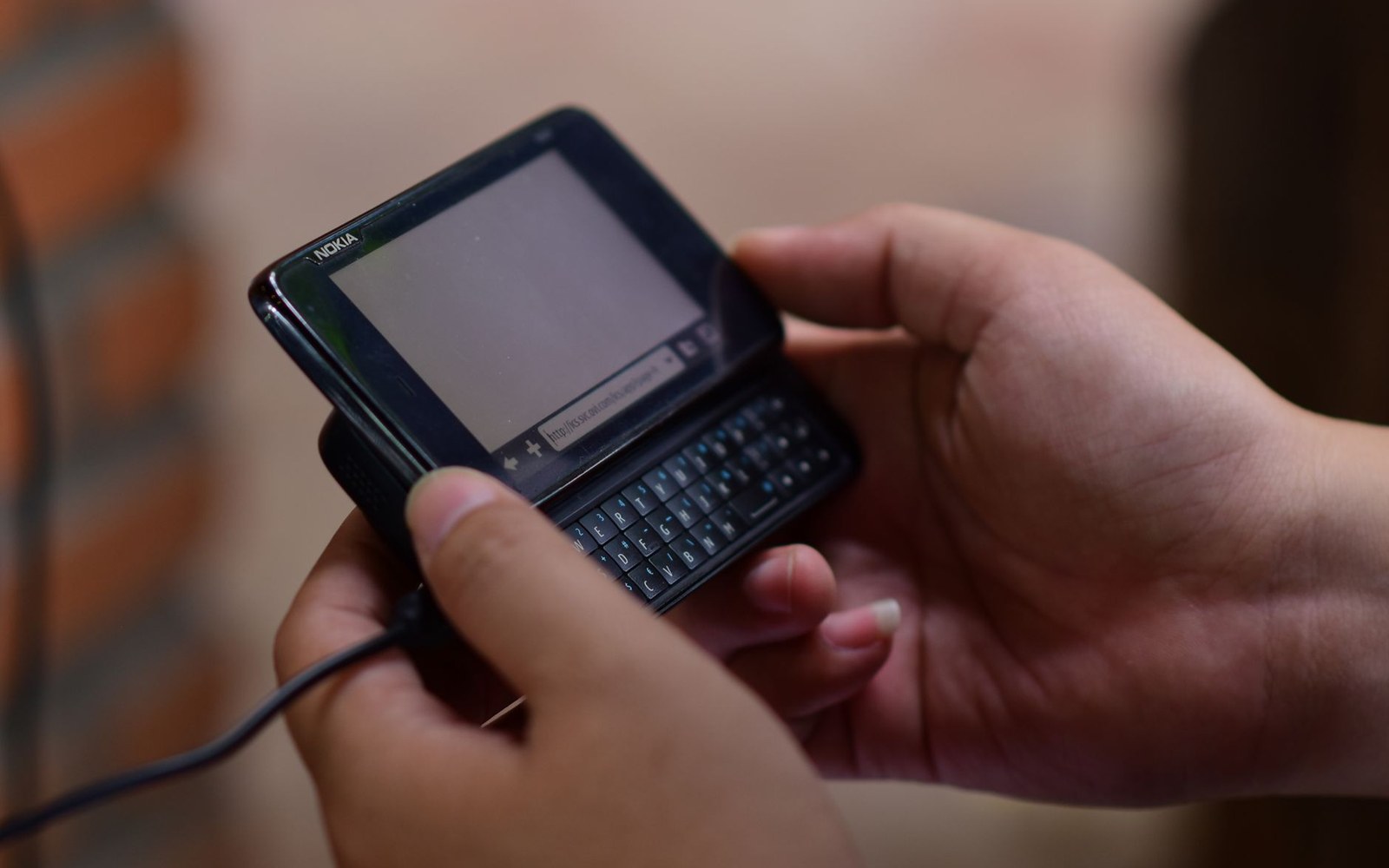
The Instrument in the Pocket
When Nokia launched the 3310 in September 2000, it positioned the handset as a messaging and personalisation device aimed at a young European market. The phone sold in extraordinary numbers — Nokia reported cumulative sales exceeding 126 million units, making it one of the best-selling mobile phones in history. Connectivity, Snake II and interchangeable fascias got most of the attention. Buried two menu levels deep was a feature that would quietly matter more than any of them: Composer.
Composer was a monophonic ringtone editor. The word monophonic describes a ringtone consisting of a single melodic line played by one synthesised voice — no harmony, no chord, no drum track beneath it, just a melody picked out note by note. The limitation was real, but the freedom was also real: an ordinary consumer could simply open a phone, navigate to a menu option, and key in a tune of their own. No musical training was required, only patience and a basic grasp of note names. The interface presented a grid into which the user entered each note's pitch and duration using the numerical keypad, and the handset played it back through the small speaker on its underside. The result was, by any acoustic standard, thin. By any historical standard, it was remarkable.
The editor was underpinned by RTTTL — Ring Tone Transfer Language, a plain-text format Nokia had created to encode a melody as a compact character string. An RTTTL string opened with a name field, followed by a set of default parameters for duration, octave and tempo, then a comma-separated sequence of notes. A simple major scale might occupy fewer characters than a short URL. The format required no proprietary software, no binary header, and no specialist decoder beyond the Nokia firmware itself — which meant an RTTTL string could be transmitted entirely inside an SMS text message.
That transmissibility was the hinge. Once a user had keyed a tune into Composer, the phone could export the underlying RTTTL string as a text message to any other compatible Nokia handset, where the recipient could import and save it as their own ringtone. Sharing a ringtone became as simple as sending a text. The social behaviour this enabled — trading tunes at school, typing out the chorus of a pop song for a friend — was not something Nokia's product documentation appears to have anticipated as a primary use case. It happened anyway.

Timeline of the monophonic moment
- September 2000Nokia 3310 launched with Composer feature
- 2000–2002Peak RTTTL trading via fan sites and SMS between users
- 1999 onwardsYamaha MA-series chips begin introducing polyphony in Japan
- 2002–2003Polyphonic handsets reach European mass market; monophonic premium sales decline
- 3310 discontinued before polyphony became the European mid-range default
Writing the Canon
The community that formed around Composer and RTTTL worked largely without institutional support. Early ringtone trading sites aggregated RTTTL strings submitted by users, allowing anyone with a 3310 to search for a song title, copy the text string, and key it in manually. The format's simplicity was both its constraint and its virtue: because RTTTL was human-readable, a sufficiently motivated person could compose a string in a text editor, verify it by sight, and post it to a forum without ever needing the phone at all.
The Nokia 3310's Composer supported a range of note lengths from whole notes down to thirty-second notes, and it spanned three octaves, giving a usable melodic range. Tempo was set globally for the entire sequence. These constraints shaped the repertoire: the tunes that worked best were those with clear, stepwise melody lines and moderate tempos — television theme tunes, film cues, video game music, and chart singles stripped to their essential melodic skeleton. Beethoven's Für Elise was an early and endlessly reproduced example, its arpeggiated opening surviving the monophonic reduction with its identity more or less intact.
Pop transcriptions required different editorial judgment. A song built on a repeated vocal hook rather than a standalone melody needed its arranger to identify which fragment of the production would be recognisable without bass, drums or harmony supporting it. This was genuinely compositional work, even when the composer was a teenager on a lunch break. The best RTTTL transcriptions circulating in the early 2000s showed real understanding of which melodic intervals carry a song's identity, and which details can be discarded without the listener losing the thread. They were informal arrangements, in the musicological sense of the word.
Commercial ringtone sellers recognised this amateur ecosystem and moved quickly to professionalise it. Services including Jamba (which later rebranded internationally as Jamster) began employing staff arrangers to produce RTTTL and, later, polyphonic sequences at a quality level that consistently outpaced amateur work. But the amateur tradition never entirely disappeared: RTTTL's open, text-based nature meant that the barrier to authorship remained low throughout the format's useful life, and the 3310's Composer remained the primary instrument through which ordinary users encountered it.
The community that formed around Composer and RTTTL worked largely without institutional support.
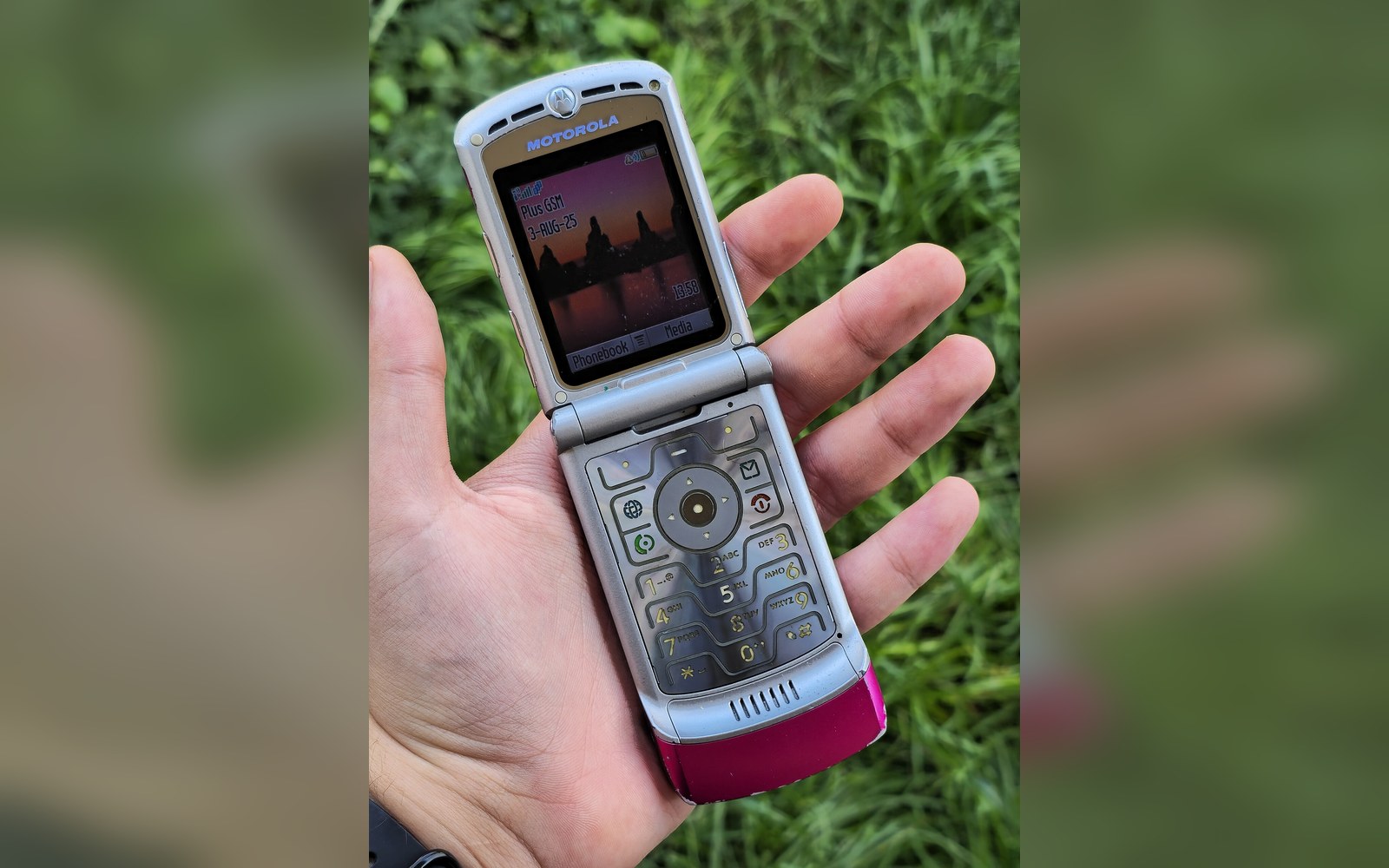
The End of the Monophonic Window
The 3310's commercial zenith coincided almost exactly with the beginning of the end for monophonic ringtones as a premium product. Yamaha's MA-series chips, which enabled simultaneous multi-voice playback, were beginning to appear in handsets in the Japanese market from around 1999 and would reach mass-market European devices within a few years. Polyphonic ringtones — capable of sounding like a small synthesiser ensemble rather than a single-voice beep — made the monophonic register audibly inadequate overnight. The market shifted, and RTTTL, which was inherently monophonic by design, became a format associated with an earlier moment.
The 3310 itself was discontinued before polyphony became universal in the mid-range segment, and Nokia never built Composer-style direct authorship tools into the polyphonic era's flagship devices with the same accessibility. Polyphonic formats such as Yamaha's SMAF required more complex authoring environments that were not practical to embed in a keypad interface. The democratising quality of RTTTL — that a user could write a complete ringtone using only the phone they already carried — was a feature of the monophonic moment and did not carry forward.
What the 3310's Composer period established, however, was durable: the idea that the ringtone was a creative form, not just a functional signal, and that its audience was also potentially its author. Billboard's Hot Ringtones chart, launched in 2004, charted commercial sales figures; it had no mechanism to account for the uncountable volume of RTTTL strings composed and traded outside any commercial system. The RIAA's 2006 master-tone certifications addressed the high end of a market built on sold recordings; they similarly passed over the amateur tradition without comment. Both the commercial peak and the regulatory moment of the ringtone era were shaped by money and by intellectual property law, and neither had much to say about the teenager who typed a four-bar melody into a Nokia 3310 keypad ↗ and texted it to a friend.
The 3310 was not a musical instrument by anyone's formal definition. It had one voice, a small piezoelectric speaker, and an interface designed primarily for telephone calls and text messages. But Composer gave it a composing mode, RTTTL gave its output a portable notation, and SMS gave that notation a distribution channel. Together they made the phone, briefly and improbably, the most widely used tool for amateur melody writing in the world.
How RTTTL works
- Format — plain ASCII text, readable without software
- Structure — name field, then default duration/octave/tempo, then comma-separated note sequence
- Transmission — fits inside a standard SMS; no binary encoding required
- Limitation — monophonic only; no simultaneous voices
- Authorship — writable by hand in any text editor or keyed directly into Composer