What Launched with the Phone
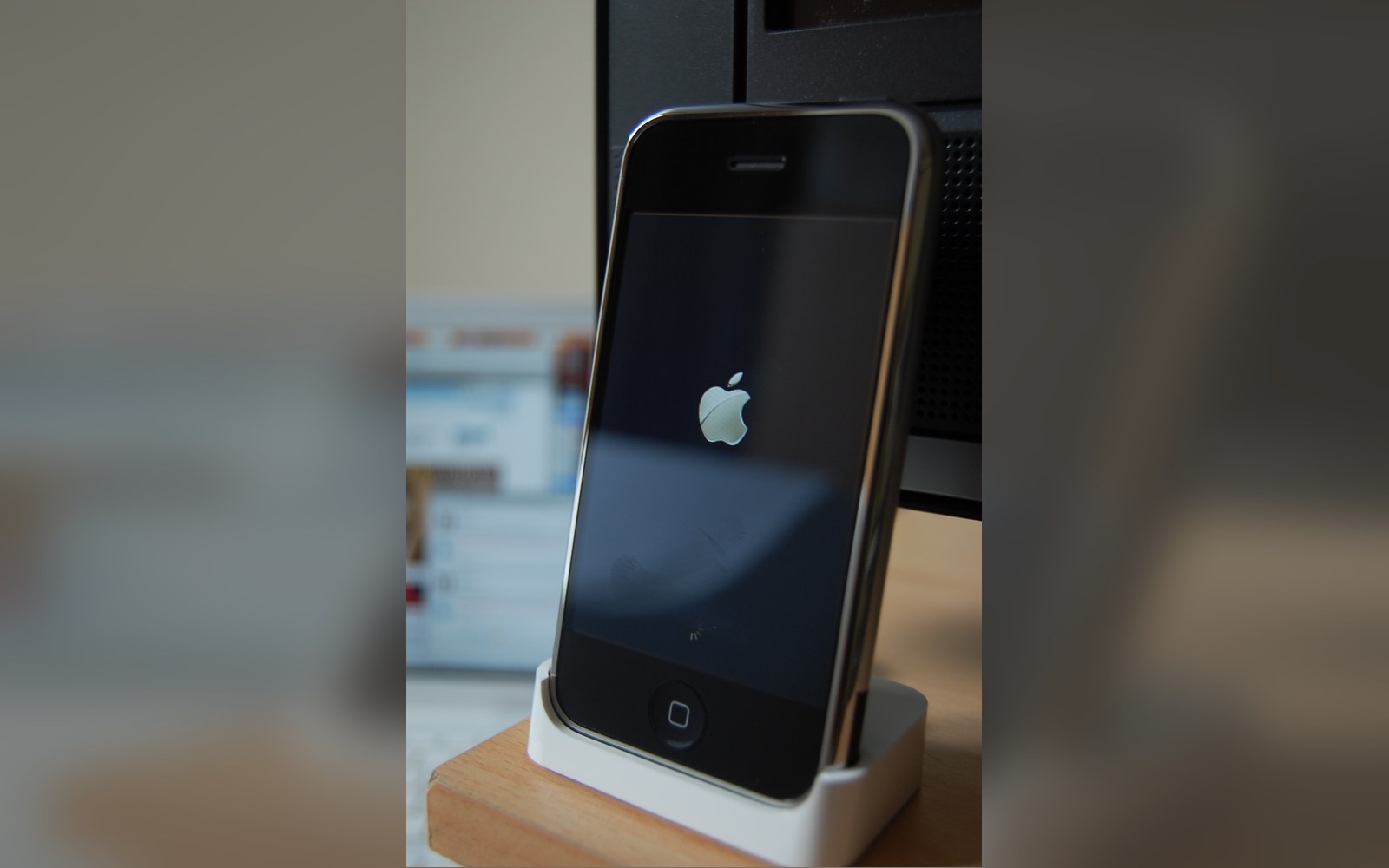
On 29 June 2007, Apple's first iPhone went on sale in the United States carrying a set of default tones composed in-house: Marimba, Xylophone, Opening, and roughly two dozen others. None were licensed pop songs. None required a premium SMS short code. Marimba — a percussive, mid-register melody built around an actual marimba patch — became the iPhone's de facto signature sound the way the Nokia tune had defined its era a decade earlier, precisely because it was heard everywhere, on a device everybody noticed. Unlike that earlier signature, it was designed from the start to be easily replaced.
Replacement was the point. At launch, Apple announced that iTunes 7.4 would allow iPhone owners ↗ to convert a song they had already purchased from the iTunes Store into a ringtone for an additional ninety-nine cents — making the total cost of a ringtone derived from a song they owned a dollar ninety-eight. The resulting file was saved in the M4R format: a renamed AAC container, restricted to a maximum of forty seconds, and locked to the device via FairPlay DRM. Users could select their preferred thirty-to-forty-second clip using a trim slider inside iTunes; the interface was clean and the concept was straightforward. You owned the song; you paid again for the right to hear it ring.
Chronology
- 29 June 2007first iPhone goes on sale in the United States
- iTunes 7.4version that enabled the ringtone-maker feature at launch
- Additional $0.99Apple's fee to convert an owned iTunes purchase into an M4R ringtone
- 2006Gartner figures cited for global paid-ringtone market peak
- 2005–2006ICSTIS rulings in the UK against subscription-billing operators
- 2008–2012period covered by Nielsen and Gartner decline data
The Economics Arrive at the Same Time as the Device
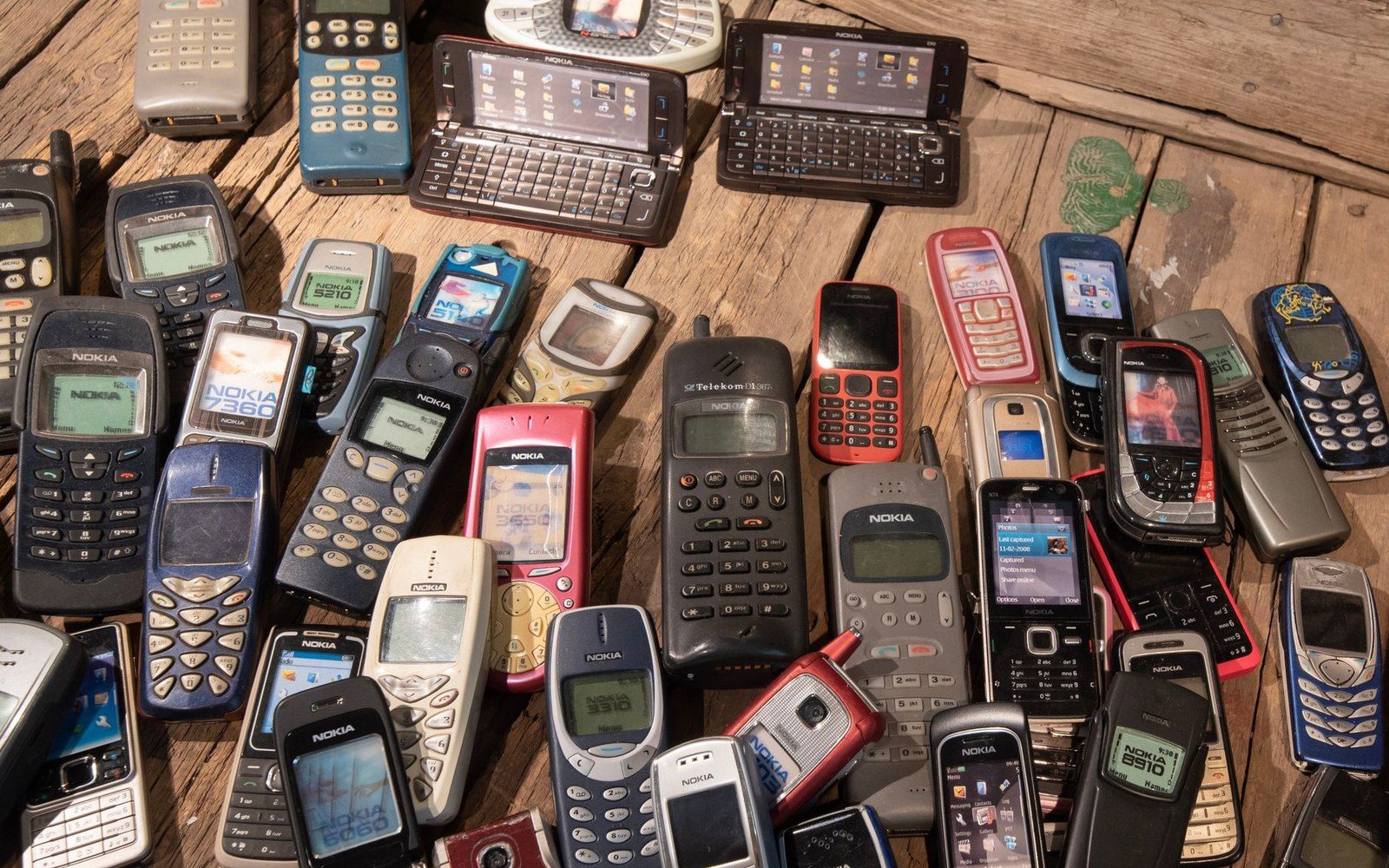
That ninety-nine-cent upsell was the mildest ringtone purchase available in 2007. Across the United States, Jamster, Thumbplay, and carrier storefronts on Verizon and T-Mobile had spent several years charging between $1.99 and $3.99 per truetone download, often via subscription traps that billed users weekly without clear disclosure. The UK regulator ICSTIS — soon to be renamed PhonepayPlus — had already issued rulings against several operators for exactly this practice by 2006. The subscription model had become the industry's primary revenue mechanism and its primary liability simultaneously.
Against that backdrop, Apple's approach looked almost austere: a flat fee, a known song, a slider, no recurring charge. What it actually did, structurally, was reconnect the ringtone to the song purchase in a way that cut the specialist retailer out of the loop. A consumer with a library of iTunes purchases needed no WAP portal, no short code, and no third-party vendor. The middlemen who had grown the paid ringtone market into what Gartner estimated as a multi-billion-dollar global business by 2006 were now competing with the handset manufacturer's own software.
That ninety-nine-cent upsell was the mildest ringtone purchase available in 2007.
The Measured Fall
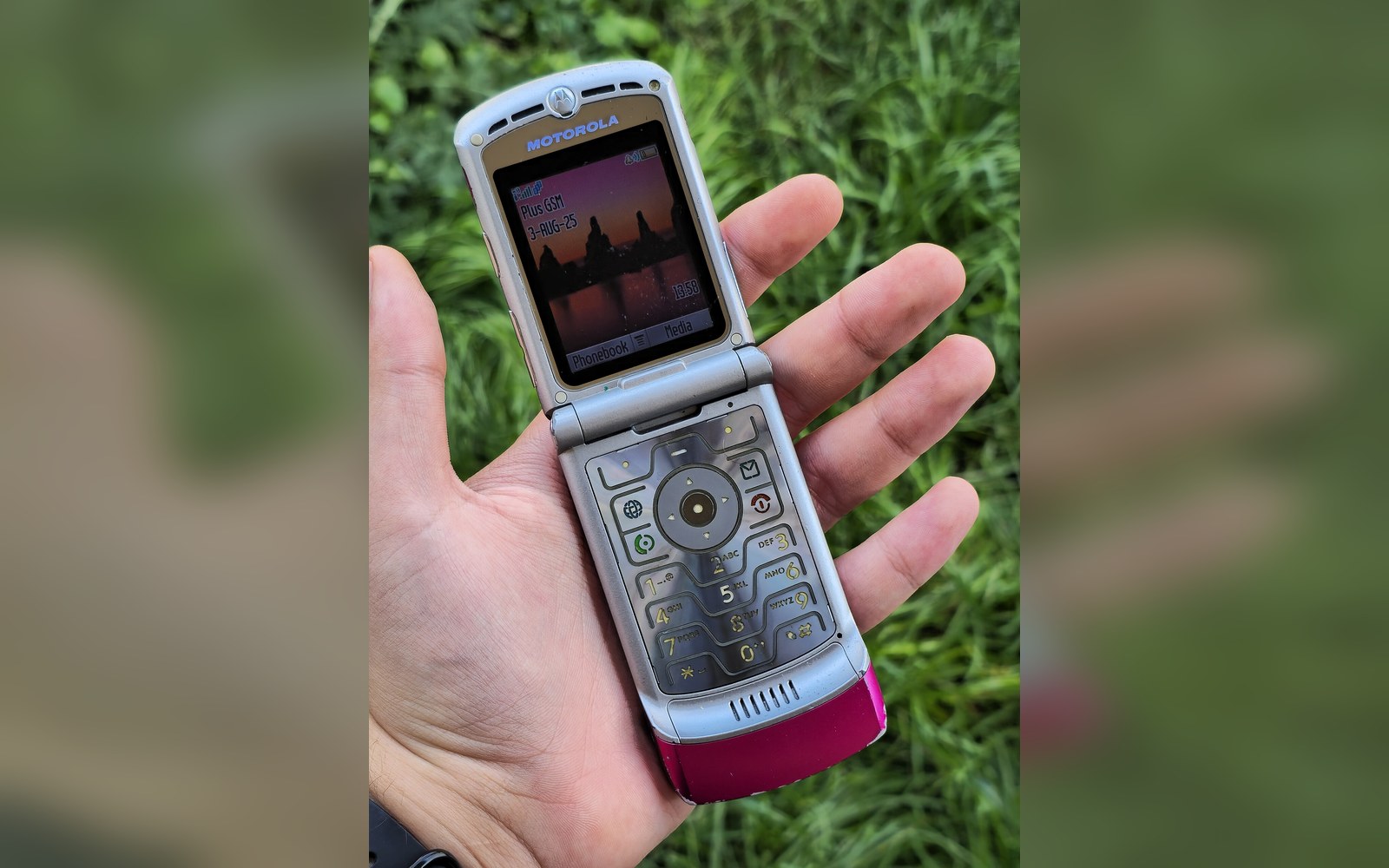
The decline did not happen overnight — Billboard's Hot Ringtones chart continued tracking sales through 2009, and truetone certifications from the RIAA documented active titles well into that year — but the trajectory after mid-2007 was consistent. Nielsen and Gartner data published between 2008 and 2012 recorded year-on-year contraction in paid ringtone revenue across every major Western market. The causes were multiple: smartphone browsers made WAP portals redundant; app stores introduced free notification customisation; and the regulatory pressure on subscription billing removed the model that had generated the highest per-user returns.
The iPhone did not single-handedly end the ringtone market. What it did was arrive at the precise moment the market's structural weaknesses — overpricing, subscription controversy, dependence on carrier gatekeeping — were already visible, and reframe the entire category as a minor feature of music ownership rather than a product in its own right. Marimba rang on. The industry that had grown up selling sounds to phones found, fairly quickly, that it had been selling to a moment rather than to a permanent need.
Key formats and terms
- M4R — Apple's AAC-based ringtone container; forty-second maximum, FairPlay DRM, non-transferable
- Truetone — a segment of an actual master recording sold as a ringtone file; the premium product incumbents sold for $1.99–$3.99
- Subscription trap — recurring charge applied after a single purchase, the billing practice that drew regulator scrutiny
- WAP — the mobile internet standard ringtone portals ran on; rendered redundant by smartphone browsers