
An Accidental Classic Meets a Deliberate Contest
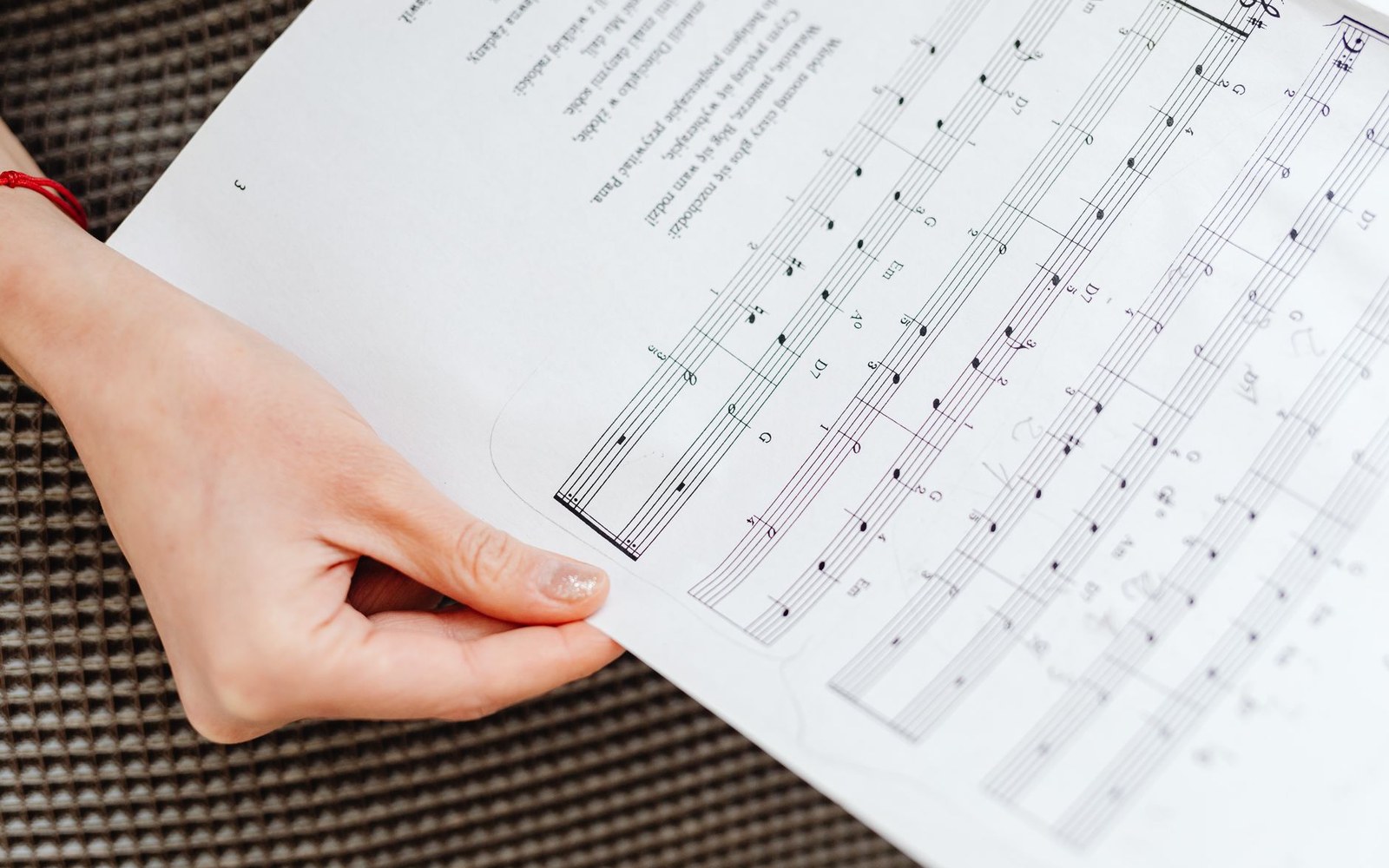
The Nokia tune had never been commissioned. It arrived on the Nokia 2110 in 1994 as four bars lifted from Francisco Tárrega's 1902 guitar piece Gran Vals, and it spread to billions of handsets without a brief, a focus group or a brand strategy behind it. In 2011, Nokia decided to give it all three.
That year Nokia ran an open global competition asking composers, hobbyists and professionals to submit reimaginings of its signature tune. The brief was deliberately broad: entrants could reinterpret the melody in any genre, any instrumentation, any tempo, so long as the four-bar phrase remained recognisable. Submissions arrived via the company's own platform and were opened to public voting alongside an internal judging panel. Nokia publicised the exercise as a democratic act — the most-heard melody in history, handed back to the people who had been hearing it.
The numbers were substantial. Nokia reported receiving thousands of entries from dozens of countries, a figure consistent with the crowdsourcing competitions running across the industry in that period. Styles ranged from orchestral arrangements and jazz reharmonisations to electronic remixes and acoustic folk treatments. The diversity was genuine, and some entries were technically accomplished. What the contest could not manufacture was the thing that had made the original stick: accident, ubiquity, and seventeen years of conditioned response.
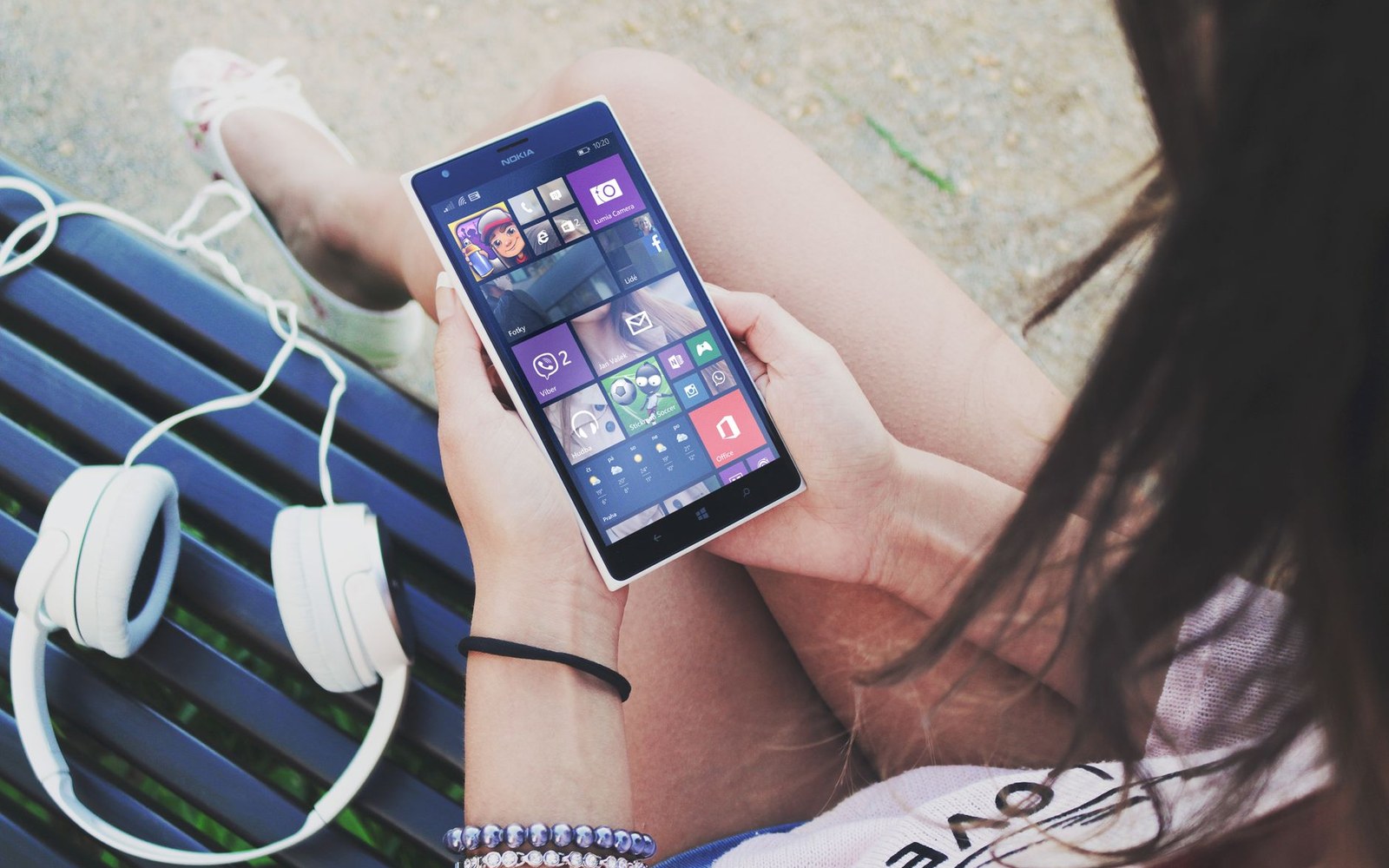
Nokia announced its chosen winner — a lightly orchestrated arrangement that retained the melody's tempo and optimistic register while adding instrumental layering suited to its then-current Lumia handset line. The company rolled out variants across its devices in 2012, alongside the launch push for Windows Phone hardware. The reception was polite rather than transformative. No variant achieved independent cultural currency; none entered public consciousness the way the original four bars had.
The exercise illuminates a persistent misunderstanding about how Nokia's default tone acquired its status: it was not designed into relevance, it was installed into it. A ringtone heard on a handset owned by hundreds of millions of people does not need to be good — it needs to be inescapable. A competition, however well run, cannot replicate that condition. What Nokia received in 2011 was competent music. What it had in 1994 was a monopoly on the default.
Chronology
- 1902Tárrega composes Gran Vals
- 1994Nokia 2110 ships with the four-bar extract as default ringtone
- 2011Nokia launches open global competition to reimagine the tune
- 2012Winning arrangement rolled out across Lumia / Windows Phone devices; no variant achieves independent cultural traction
The argument in brief
- The original tune succeeded through ubiquity and accident, not design
- A crowdsourced contest can produce competent music but cannot replicate conditioned mass familiarity
- Nokia's 2012 rollout was received as incremental product update, not cultural event