The Handset and Its Moment
Nokia launched the 2110 in 1994 as a GSM digital handset aimed squarely at the business market. It was not the first mobile phone, nor even Nokia's first, but it arrived at the precise moment when GSM networks were expanding across Europe and a new class of subscriber — professional, mobile, prosperous — needed a device that felt considered rather than utilitarian. The 2110 delivered on that promise in hardware, in interface design, and, almost accidentally, in audio.
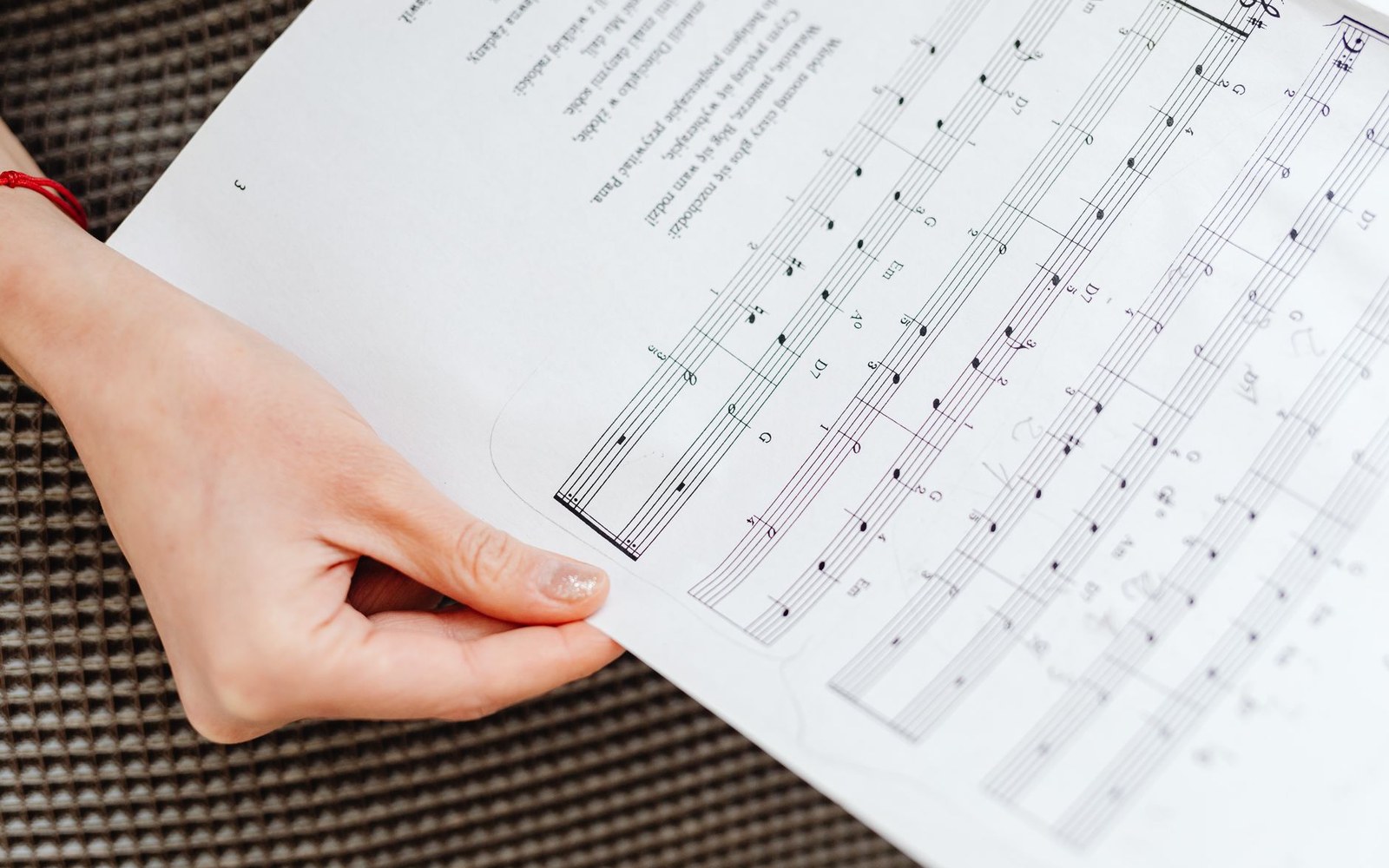
The ringtone shipped with the 2110 was a thirteen-note monophonic sequence drawn from Francisco Tárrega's 1902 guitar piece Gran Vals. Nokia engineers selected the passage — beginning at bar 13 of the composition — and encoded it for playback on the handset's single-channel piezoelectric speaker. The choice was made internally, without public announcement, and Tárrega's estate was not involved in any licensing arrangement; the composition had long since entered the public domain. No Nokia spokesperson or executive at the time attached a public statement to the selection, and the tune shipped without a formal name. It would take years before the sequence was widely known as "the Nokia tune."
Chronology
- 1902Francisco Tárrega completes Gran Vals; bar 13 contains the future Nokia tune passage
- 1994Nokia 2110 ships as the first handset to carry the Nokia tune as fixed firmware
- 1999NTT DoCoMo's i-mode launches Japan's chaku-melo paid ringtone market
- 2000Nokia 3310 introduces the Composer feature and RTTTL-based tone sharing
- 2004Billboard launches the Hot Ringtones chart; the paid market reaches commercial peak
Monophonic Storage and the Single-Voice Speaker
The audio architecture of the 2110 was, by any later standard, minimal. A monophonic ringtone consists of a single melodic line — one note at a time, no harmony, no simultaneous voices — played through a speaker capable of reproducing only one frequency at a moment. The 2110's tone was stored in firmware as a fixed sequence of discrete note values and durations rather than as a sampled audio file. There was no digital audio hardware of the kind that would later support polyphonic tones enabled by Yamaha's MA-series chips; the phone's processor simply toggled a voltage to drive the speaker at the target pitch for the programmed duration.
This approach was computationally cheap and physically practical: a piezoelectric transducer requires very little power and adds negligible weight, both critical considerations in a handset that users were expected to carry all day. The audio quality, measured against any musical standard, was negligible — a thin, reedy pulse at each pitch. What made the Nokia tune work in this environment was its melodic design: the Tárrega fragment is rhythmically crisp, spans a modest frequency range and remains intelligible even when reproduced by hardware that could do nothing except beep.
The Ring Tone Transfer Language (RTTTL) that Nokia would later develop to let users share and programme their own tones was not yet part of the 2110's feature set. The tune was fixed in firmware, non-customisable by the user, and identical across every unit shipped. That uniformity is part of why it propagated so effectively: every 2110 owner, everywhere GSM networks operated, produced the same sound from their pocket.
The audio architecture of the 2110 was, by any later standard, minimal.
Why 1994 Matters
The 2110's significance in ringtone history is structural rather than commercial. No paid-download market existed in 1994; the concept of purchasing a ringtone would not arrive until NTT DoCoMo's i-mode service introduced the chaku-melo format in Japan in 1999. What the 2110 established was something more durable: a default. When a manufacturer ships a handset with a single fixed ring and that handset sells in sufficient numbers, the ring becomes environmental — heard in offices, restaurants and public transport by people who do not own the phone. The Nokia tune achieved that status faster than any comparable audio brand mark in consumer electronics history.
The Nokia 3310's Composer feature, released in 2000, would eventually give users the means to write and share their own monophonic sequences. But the creative and commercial explosion that followed was built on the foundation the 2110 had quietly laid six years earlier: a nineteen-note loop in firmware, chosen by committee, reproduced on a piezoelectric buzzer, and heard by millions.
Technical note
- Monophonic tone — single melodic line, one note at a time, stored as note/duration pairs in firmware, not as audio file
- Piezoelectric speaker — voltage-driven transducer; low power, low weight, no audio fidelity beyond pitch
- Fixed firmware — tone non-customisable on the 2110; identical on every unit shipped